
Fever Management in Children: When to Worry and What to Do
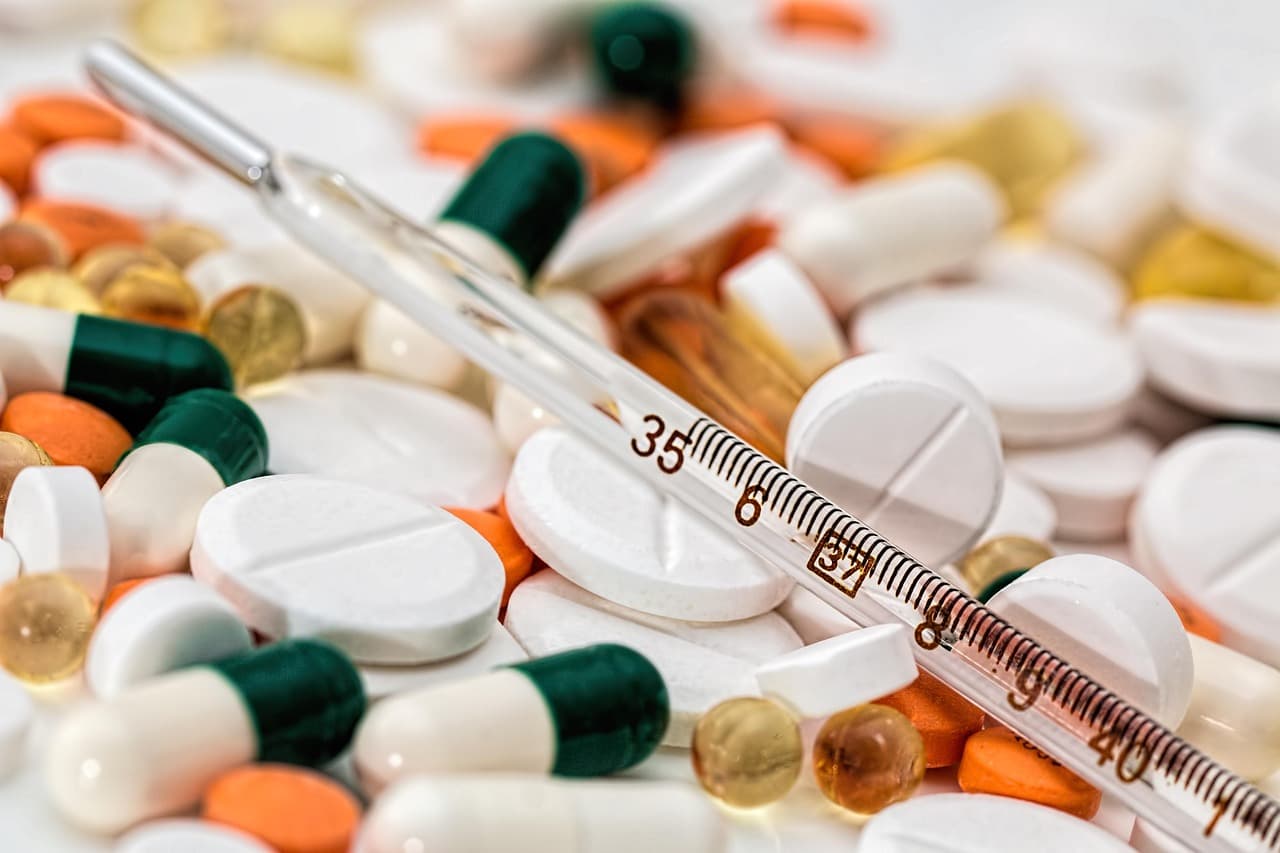
Understanding Fever in Children
Fever is one of the most common reasons parents seek medical care for their children. While a rising thermometer can cause rising anxiety, it's important to understand that fever itself is not an illness—it's a sign that the body is fighting an infection or other condition.
A fever occurs when the body's internal temperature rises above normal (98.6°F or 37°C) as part of the immune system's response to an invader. This elevated temperature actually helps the body fight infection by creating an environment that's less hospitable to bacteria and viruses while activating the immune system.
What Constitutes a Fever?
A temperature above these thresholds is generally considered a fever:
- Rectal, ear, or temporal artery temperature: 100.4°F (38°C) or higher
- Oral temperature: 100°F (37.8°C) or higher
- Axillary (armpit) temperature: 99°F (37.2°C) or higher
Taking Your Child's Temperature
Accurate temperature measurement is essential for proper fever assessment. Different methods are appropriate for different ages:
For Infants Under 3 Months
Rectal temperatures are the most accurate for very young infants. Ask your pediatrician to walk you through the correct technique at your next visit so you feel confident if the need arises.
For Children 3 Months to 4 Years
Several options work well for this age group:
- Temporal artery (forehead) thermometers — easy to use and reliable
- Tympanic (ear) thermometers for children over 6 months
- Axillary (armpit) thermometers are less accurate but can be a useful screening method
For Children 4 Years and Older
You can use:
- Oral thermometers
- Temporal artery thermometers
- Tympanic thermometers
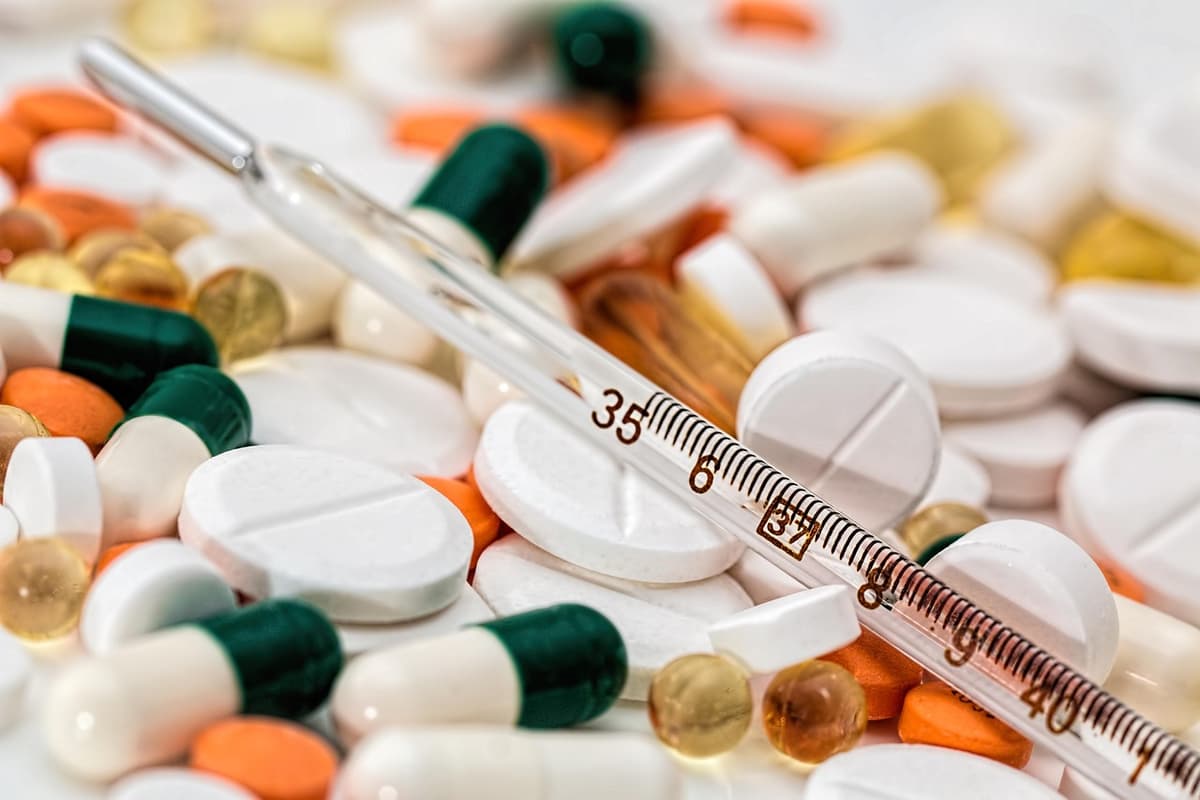
Different temperature-taking methods are appropriate for different ages.
When to Call the Doctor
The age of your child and the height of the fever are important factors in determining when to seek medical care:
For Infants Under 3 Months
Call your doctor immediately or go to the emergency room if your infant has a rectal temperature of 100.4°F (38°C) or higher. Fever in very young infants can indicate a serious infection and requires prompt medical attention.
For Children 3 Months to 3 Years
Call your doctor if your child:
- Has a temperature of 102.2°F (39°C) or higher
- Has had any fever for more than three days
- Appears unusually irritable, lethargic, or uncomfortable
- Has other symptoms that concern you, such as rash, severe headache, stiff neck, persistent vomiting, or difficulty breathing
For Children 3 Years and Older
Call your doctor if your child:
- Has a temperature higher than 102.2°F (39°C) that doesn't respond to medication
- Has had a fever for more than three days
- Is unusually lethargic or irritable
- Has a severe headache, sore throat, or ear pain
- Has a rash, stiff neck, persistent vomiting, or difficulty breathing
- Has a medical condition that compromises their immune system
Seek Emergency Care If Your Child:
- Has a fever above 105°F (40.5°C)
- Is under 3 months with any fever
- Has a stiff neck and headache with fever
- Has a fever and a rash that doesn't blanch (turn white) when pressed
- Is extremely irritable or lethargic
- Has difficulty breathing not relieved by clearing the nose
- Has blue lips, tongue, or nails
- Has a fever after being left in a hot car
- Has a compromised immune system with fever
- Has a seizure with fever
Home Management of Fever
For fevers that don't require immediate medical attention, these home care strategies can help your child feel more comfortable:
Medication Options
Over-the-counter fever reducers can help lower your child's temperature and relieve discomfort. Ask your pediatrician which product is appropriate for your child's age and how to dose it correctly based on their weight — dosing varies by age and product.
Important medication notes:
- Always use the dosing device that comes with the medication
- Dose is based on your child's weight, not age — ask your pediatrician or pharmacist if you're unsure
- Never give aspirin to children or teenagers due to the risk of Reye's syndrome
- Keep a log of what medication you give and when to avoid accidental double-dosing
Comfort Measures
- Dress your child in lightweight clothing
- Keep room temperature comfortable (not too hot or cold)
- Encourage rest
- Offer plenty of fluids to prevent dehydration
- Use a lukewarm sponge bath if fever is high and causing discomfort
Comfort measures and adequate hydration are important parts of fever management.
What NOT to Do When Your Child Has a Fever
- Don't use alcohol baths or rubs (can cause alcohol poisoning through skin absorption)
- Don't use ice baths or very cold water (can cause shivering, which raises body temperature)
- Don't bundle up a child with fever (can prevent heat from escaping)
- Don't give aspirin to children or teenagers
- Don't wake a sleeping child just to give fever medication
Common Causes of Fever in Children
Most childhood fevers are caused by viral infections, which typically resolve on their own within a few days. Common causes include:
- Common cold
- Flu
- Viral gastroenteritis ("stomach flu")
- Roseola
- Fifth disease
- Hand, foot, and mouth disease
- Respiratory infections
Less commonly, fevers may be caused by:
- Bacterial infections (ear infections, strep throat, urinary tract infections)
- Certain vaccines (as a normal immune response)
- Inflammatory conditions
- Heat-related illness
Fever Myths and Facts
Myth: All fevers must be treated immediately
Fever is a natural defense mechanism. Low to moderate fevers (under 102°F or 38.9°C) in otherwise healthy children don't require treatment unless the child is uncomfortable.
Myth: A higher fever means a more serious illness
The height of a fever doesn't necessarily correlate with the severity of illness. A child with a mild cold might have a high fever, while a child with a serious infection might have a low-grade fever or no fever at all.
Myth: Fevers cause brain damage
Typical fevers from infection (under 105°F or 40.5°C) do not cause brain damage. Only body temperatures above 107.6°F (42°C), which are extremely rare and usually caused by heat stroke or certain medications, can cause brain damage.
Myth: Teething causes high fevers
Teething may cause a slight temperature elevation but not high fevers (over 100.4°F or 38°C). If your teething child has a significant fever, look for other causes.
Final Thoughts
While fevers can be concerning, remember that they're usually a sign that your child's immune system is working properly. Most childhood fevers resolve without complications within a few days. By understanding when a fever requires medical attention and how to provide comfort at home, you can help your child through this common childhood experience.
At Hummingbird Pediatrics, we're always available to address your concerns about your child's fever or other symptoms. Don't hesitate to call our office if you're unsure about the severity of your child's condition or if you have questions about fever management.